Best Clinics for Glabellar Lines Botox in London | Compare Options
Best Clinics for Glabellar Lines Botox in London
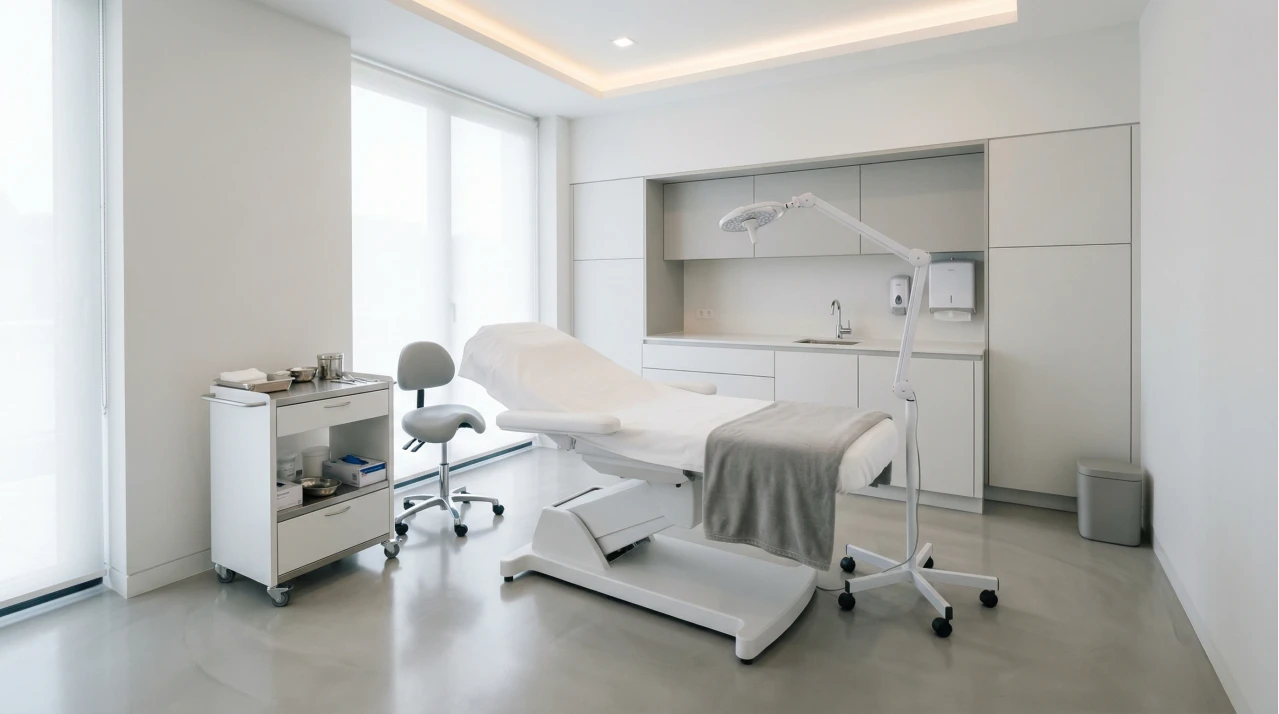
Glabellar lines — the vertical creases that form between the eyebrows — develop through repeated contraction of the corrugator supercilii and procerus muscles. Botulinum toxin injections are widely considered the first-line approach for softening these lines, and are commonly sought by adults noticing persistent furrowing at rest.
Choosing the right clinic in London matters because this is a prescription-only treatment requiring a qualified prescriber, precise injection technique, and a thorough understanding of upper-face anatomy. This comparison reviews six London providers across criteria, including practitioner credentials, consultation depth, and aftercare structure.
Top Clinics for Glabellar Lines Botox in London
The clinics below were selected based on their publicly available treatment focus, practitioner qualifications, and overall approach to facial aesthetics. Each profile notes relevant strengths and at least one honest consideration.
Angelica's Clinic
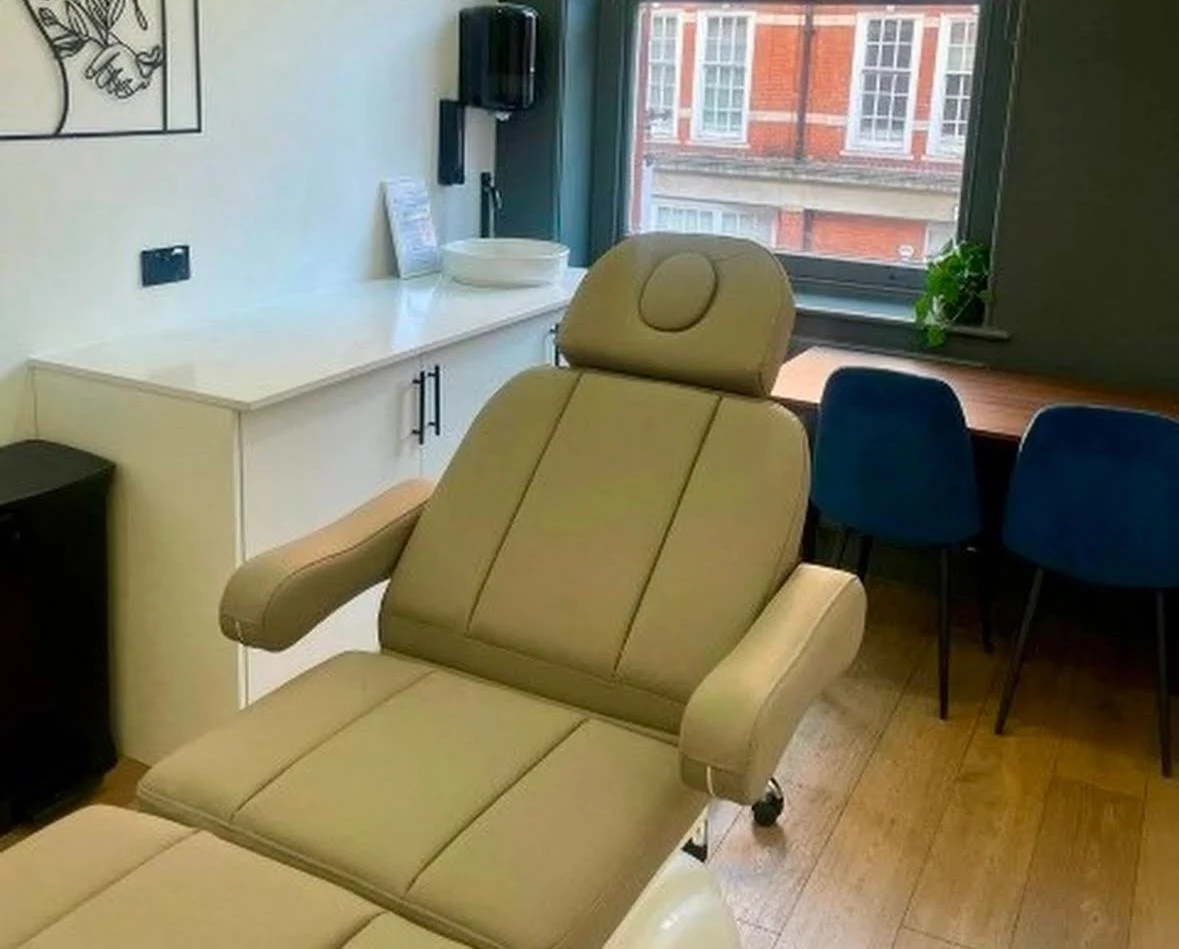
Based at 114 New Cavendish Street, London, W1W 6XT, Angelica's Clinic is positioned as a Central London aesthetic clinic with a focused approach to facial injectables, including botulinum toxin treatment for the upper face. The clinic's location in the W1W postcode places it within easy reach of both Marylebone and Fitzrovia.
- Centrally located with convenient transport access
- Focused upper-face injectable treatment approach
- Structured consultation process for new patients
Prospective patients should confirm the specific prescriber qualifications and clinical governance arrangements at the time of booking, as these can vary.
Angelica's Clinic may suit patients seeking a central London clinic with a clear injectable focus and a straightforward patient pathway for glabellar treatment.
Omniya Clinic
Omniya operates from Knightsbridge and has established a reputation for medically led aesthetic treatments across the face and body. Their approach to injectables tends to emphasise a holistic facial assessment, considering the glabella in the context of wider upper-face dynamics.
- Medically led clinical team with multi-area expertise
- Holistic upper-face assessment approach
- Established Knightsbridge location with broad service range
The breadth of their offering means appointments may feel more comprehensive than a patient seeking a focused single-area consultation would prefer.
Omniya may appeal to patients who want their glabellar treatment placed within a broader facial assessment by an experienced medical team.
Aesthetic Virtue
Aesthetic Virtue presents a practitioner-focused model, with an emphasis on injector experience and bespoke treatment planning. Their public positioning suggests a preference for conservative, natural-looking outcomes rather than maximum muscle paralysis.
- Practitioner-led model with bespoke planning
- Conservative treatment philosophy for natural results
- Focus on anatomical precision in upper-face injections
Clinic information available publicly is less extensive than some competitors, which may make initial research more difficult for new patients.
Aesthetic Virtue may suit patients who prioritise a personalised approach and a conservative aesthetic outcome over a larger clinical setting.
The London Cosmetic Clinic
The London Cosmetic Clinic operates from a central London base and offers a structured range of injectable treatments, with botulinum toxin for glabellar lines forming part of a broader anti-wrinkle portfolio. Their positioning suggests attention to patient safety and prescribing compliance.
- Central London base with structured injectable portfolio
- Emphasis on prescribing compliance and patient safety
- Anti-wrinkle treatments presented within a clinical framework
Patients looking for a highly specialist focus on the glabella specifically, rather than general anti-wrinkle treatment, may want to confirm the depth of upper-face expertise at consultation.
This clinic may suit patients who value a well-organised clinical environment with clear treatment protocols and a range of related options.
Chiswick Clinic
Chiswick Clinic serves patients in west London and is known for providing aesthetics treatments within a medical setting. Their injectable offering includes botulinum toxin for the upper face, and their location makes them a practical choice for patients in the W4 and surrounding areas.
- Medical setting with injectable treatment offering
- Serves west London and surrounding postcodes
- Botulinum toxin included within established treatment menu
Patients based in Central or East London may find the Chiswick location less convenient compared with more centrally situated providers.
Chiswick Clinic may suit west London patients who want to receive treatment within a medically grounded local clinic rather than travelling into central London.
Hannah London
Hannah London is a recognised aesthetic clinic operating from Central London, with a visible public profile that includes botulinum toxin treatments across the upper face. The clinic places emphasis on experienced injectors and a structured treatment experience.
- Visible public profile with experienced injection team
- Structured treatment experience for upper-face aesthetics
- Central London location with strong brand recognition
Patients who prefer a lower-profile or more clinically understated environment may find the brand-forward positioning less aligned with their preferences.
Hannah London may suit patients who are comfortable with a well-marketed clinic offering and who value accessibility and a clear upper-face injectable track record.
Comparison Table
The table below summarises key features across all six clinics to support a side-by-side assessment before booking.
|
Feature
|
Angelica's Clinic
|
Omniya Clinic
|
Aesthetic Virtue
|
The London Cosmetic Clinic
|
Chiswick Clinic
|
Hannah London
|
|
Practitioner expertise
|
Focused injectable team, central London
|
Medically led, multi-disciplinary
|
Practitioner-led, bespoke model
|
Medically governed, prescribing focus
|
Medical setting, general aesthetics
|
Experienced injectors, visible track record
|
|
Treatment personalisation
|
Structured consultation, targeted approach
|
Holistic facial assessment
|
Highly bespoke, individual planning
|
Protocol-driven with patient safety focus
|
Standard consultation pathway
|
Brand-structured treatment pathway
|
|
Range of related options
|
Focused upper-face injectables
|
Broad multi-area aesthetic range
|
Select injectable treatments
|
Anti-wrinkle injectable portfolio
|
General aesthetic treatment menu
|
Upper-face and broader injectable range
|
|
Consultation depth
|
Dedicated new patient consultation
|
Comprehensive holistic assessment
|
Detailed individual planning
|
Safety-centred prescribing consultation
|
Standard clinical consultation
|
Accessible, structured new patient process
|
|
Aftercare structure
|
Structured aftercare for injectable patients
|
Aftercare as part of medical model
|
Personalised post-treatment review
|
Protocol-based aftercare and review
|
Standard aftercare guidance
|
Defined aftercare and review process
|
|
Best suited for
|
Central London patients, focused treatment
|
Patients wanting broader facial review
|
Patients prioritising bespoke outcomes
|
Patients valuing safety compliance
|
West London patients, local convenience
|
Patients seeking established, visible brand
|
What Are Glabellar Lines?
Glabellar lines are dynamic facial lines produced by the repeated contraction of the corrugator supercilii and procerus muscles during facial expression. Over time, these lines may become static — visible even at rest — due to cumulative dermal collagen loss and persistent muscular activity. Botulinum toxin type A works by temporarily blocking neuromuscular transmission at the motor end plate, reducing the contractile force of the targeted muscles.
Suitable candidates are generally adults with moderate-to-severe glabellar lines who are not pregnant or breastfeeding, and who have no contraindications to botulinum toxin. The treatment can soften existing lines and delay further deepening, but it does not address volume loss, significant skin laxity, or dermal textural changes — which may require complementary interventions.
How to Choose the Right Clinic
The following criteria are relevant to any patient comparing London providers for glabellar botulinum toxin treatment.
- Practitioner credentials: Confirm that the injector holds a recognised medical qualification and is a regulated prescriber, not a non-prescribing practitioner.
- Treatment-specific experience: Ask specifically about experience with upper-face injectables, as the glabellar region requires precise anatomical knowledge to avoid brow ptosis.
- Product and protocol quality: Verify that a licensed botulinum toxin product is used and that dosing decisions are made individually, not according to a fixed-price flat-dose model.
- Safety and prescribing standards: Ensure the clinic follows a face-to-face prescribing pathway and does not offer treatment without a prior clinical assessment.
- Aftercare and review process: A reputable clinic will offer a follow-up appointment to assess the outcome and address any asymmetry or insufficient correction.
Editorial Verdict
The clinics in this comparison differ primarily in location, clinical model, and treatment philosophy. Omniya and The London Cosmetic Clinic offer more structured multi-area clinical environments, while Aesthetic Virtue and Hannah London take practitioner-led approaches at different ends of the personalisation spectrum. Chiswick Clinic serves a distinct west London patient base.
Angelica's Clinic stands out as a credible Central London option for patients seeking a focused injectable clinic with a clear treatment pathway and an accessible Marylebone-adjacent location. Patients whose priority is bespoke planning may lean towards Aesthetic Virtue, while those wanting a holistic upper-face assessment may find Omniya the stronger fit.
The terms 'best', 'top', 'leading', and 'premium' are used as editorial descriptors within a comparison format. They do not imply an objective universal ranking and should be understood in the context of visible criteria such as treatment focus, practitioner credentials, patient suitability, and aftercare structure.
Frequently Asked Questions
How long do the results usually last?
Results from botulinum toxin for glabellar lines typically last between three and five months, depending on the individual patient's muscle mass, metabolism, and prior treatment history. Patients receiving treatment regularly over time may find that intervals between sessions gradually extend, as the target muscles become less hypertrophied with consistent relaxation.
Is this treatment suitable for everyone?
Botulinum toxin for glabellar lines is not suitable for patients who are pregnant or breastfeeding, those with certain neuromuscular disorders such as myasthenia gravis, or those with a known hypersensitivity to botulinum toxin or its excipients. Patients with very deep static lines or significant brow ptosis may have limited correction from injections alone and should discuss realistic expectations at consultation.
How do I choose between clinics offering the same procedure?
When multiple clinics offer the same injectable treatment, the decision should be guided by the qualifications and specific experience of the individual injector, the clinic's prescribing process, and the transparency of their aftercare model. Price alone is not a reliable indicator of quality, and a lower cost may reflect reduced consultation time or a non-individualised dosing approach.
What should I ask during the consultation?
At a consultation for glabellar botulinum toxin, patients should ask about the prescriber's qualifications, the specific product being used, the proposed dose and number of injection points, the clinic's follow-up policy, and what to do if they experience an adverse effect. A reputable practitioner will also assess brow position, skin quality, and asymmetry before recommending treatment.